



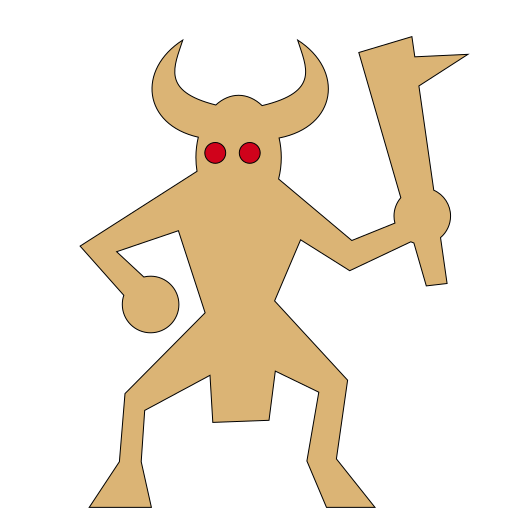










To Draw Creatures From:



Eldritch Giant
Tupilaq
Tentacled Horror
Guardian Naga
Amber Golem
Black Troll
Miasmorne
vodyanoi
Winged Gnasher
 Actions/Abilities/Traits: Basic Fantasy
Actions/Abilities/Traits: Basic Fantasy
Actions/Abilities/Traits: Basic Fantasy
Pale-skinned giants with light blue or dirty yellow hair who dress in skins and pelts
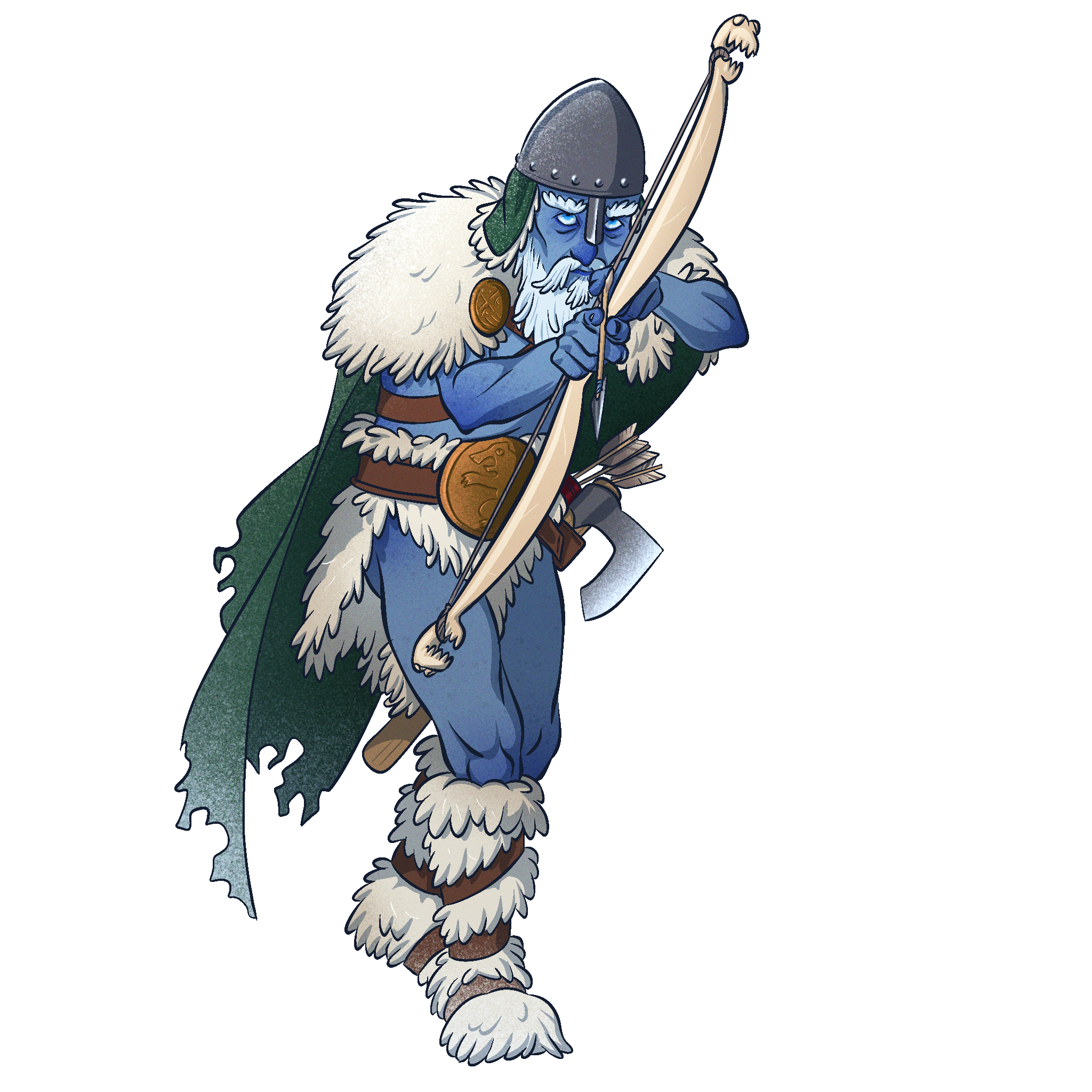
Frost giants have pale, almost white skin. A frost giant's hair can be light blue or dirty yellow, and its eyes usually match its hair color. Frost giants dress in skins and pelts, along with any jewelry they own. Frost giant warriors add chain shirts and metal helmets decorated with horns or feathers. An adult male is about 15 feet tall and weighs about 2,800 pounds. Females are slightly shorter and lighter, but otherwise identical with males. Frost giants can live to be 250 years old. Frost giants are, first and foremost, cunning. They dislike the smaller races as much as any giant, but rather than attacking outright they will try to use their advantages to convince those weaker than them to submit. If faced with a stronger force, frost giants will parley or withdraw if possible, attacking only if victory seems assured.
Actions/Abilities/Traits: Basic Fantasy
Actions/Abilities/Traits: D&D 5e
Actions/Abilities/Traits: D&D 5e
This giant looks like a thick, muscular human. It has frost-white skin and long, light blue hair that it wears braided.
Gigantic reavers from the freezing lands beyond civilization, frost giants are fierce, hardy warriors that survive on the spoils of their raids and pillaging. They respect only brute strength and skill in battle, demonstrating both with their scars and the grisly trophies they take from their enemies.
Hearts of Ice
Frost giants are creatures of ice and snow. Their hair and beards are pale white or light blue, matted with frost and clattering with icicles. Their flesh is as blue as glacial ice.
Frost giants dwell in high peaks and glacial rifts where the sun hides its golden head by winter. Crops don't grow in their frozen homelands, and they keep little livestock beyond what they capture in their raids against civilized lands. They hunt the wild game of the tundra and mountains but don't cook it, since meat from a fresh kill tastes sufficiently hot to their palate.
Reavers of the Storm
The war horns of the frost giants howl as they march from their ice fortresses and glacial rifts amid the howling blizzard. When that storm clears, villages and steadings lay in ruins, ravens descending to feed on the corpses of any creatures foolish or unlucky enough to stand in the giants' path.
Inns and taverns suffer the brunt of the damage, their cellars gutted and their casks of ale and mead gone. Smithies are likewise toppled, their iron and steel claimed. Curiously undisturbed are the houses of moneylenders and wealthy citizens, for the reavers have little use for coins or baubles. Frost giants prize gems and jewelry large enough to be worn and noticed. However, even those treasures are most often saved for trading opportunities with other giants more adept at crafting metal weapons and armor.
Rulers by Might
Frost giants respect brute strength above all else, and a frost giant's place in the ordning depends on evidence of physical might, such as superior musculature, scars from battles of renown, or trophies fashioned from the bodies of slain enemies. Tasks such as hunting, childrearing, and crafting are given to giants based on their physical strength and hardiness.
When frost giants of different clans meet and their status is unclear, they wrestle for dominance. Such meetings might resemble festivals where giants cheer on their champions, making bold boasts and challenges. At other times, the informal ceremony can become a chaotic free-for-all where both clans rush into a melee that fells trees, shatters the ice on frozen lakes, and causes avalanches on the snowy mountainsides.
Make War, Not Goods
Though frost giants consider the menial crafting of goods beneath them, carving and leatherwork are valued skills. They make their clothing from the skins and bones of beasts, and carve bone or ivory into jewelry and the handles of weapons and tools. They reuse the weapons and armor of their smaller foes, stringing shields into scale armor and lashing sword blades to wooden hafts to make giant-sized spears. The greatest battle trophies come from conquered dragons, and the greatest frost giant jarls wear armor of dragon scales or wield picks and mauls made of a dragon's teeth or claws.
Frost Giant
Giant of the Ice and Snow
From glacial mountain heights and vast tundras rise the homes of frost giants. These giants have skin and hair of icy hues. Their natural immunity to cold allows them to flourish in places inhospitable to most other creatures. They use this resilience to aid them when hunting and in combat, bolstering their allies with chilling war cries.
Frost giants often travel far to find food and goods. This leads many to become raiders and earn violent reputations. Others live more peaceably by hunting titanic game or creating sanctuaries from the cold (frequently featuring hot springs or snowy contests). Frost giants sometimes forge partnerships with icy Fey or fire giants dwelling underground, serving as guardians to their realms in exchange for treasure, weapons, and crafts.
The small folk have barely anything worth looting, so they shouldn't much mind when we take it from them.
Actions/Abilities/Traits: D&D 5e
Actions/Abilities/Traits: D&D 5e (Frost Giant Everlasting One)
Actions/Abilities/Traits: D&D 5e (Frost Giant Everlasting One)
To hold its place or rise within the ordning, a frost giant must routinely face mighty foes in single combat. Some seek out magic that will aid them, but enchanted objects can be taken or lost. True greatness relies on personal prowess. Faced with this truth, a frost giant might seek a supernatural gift from Vaprak the Destroyer.
Vaprak is a ferocious god of strength and hunger also worshiped by some ogres and trolls. He likes to tempt frost giants with dreams of glory followed by nightmares of bloody cannibalism. Those who don't shrink from such visions or report them to priests of Thrym receive more of the same. If a frost giant comes to relish these dreams and nightmares, as some do, Vaprak sets a troll upon a sacred quest to find the frost giant and meet the giant in secret. The troll offers up its own body to be devoured in Vaprak's name. Only the boldest and most determined frost giants can finish such a gory feast.
After devouring the troll sent by Vaprak, bones and all, a frost giant becomes an everlasting one, gaining tremendous strength, an ill temper, and a troll's regenerative ability. With these gifts, the frost giant can swiftly claim the title of jarl and easily fend off rivals for decades. However, if the frost giant doesn't give enough honor to Vaprak or fails to heed Vaprak's visions, injuries the frost giant sustains heal wrong, resulting in discolored skin; warty scars; and vestigial body parts, such as extra digits, limbs, and even heads. The touch of Vaprak can no longer be hidden then, and the everlasting one is either killed or exiled by their clan. Sometimes small communities of everlasting ones gather and even reproduce, passing the "blessing" and worship of Vaprak from one generation to the next.
To hold its place or rise within the ordning, a frost giant must routinely face mighty foes in single combat. Some seek out magic that will aid them, but enchanted objects can be taken or lost. True greatness relies on personal prowess. Faced with this truth, a frost giant might seek a supernatural gift from Vaprak the Destroyer.
Troll Eater
Frost giants mainly turn to Vaprak, a rapacious god of strength and hunger worshiped by ogres and trolls, out of desperation. Vaprak likes to tempt frost giants with dreams of glory followed by nightmares of bloody cannibalism. Those who don't shrink from such visions or report them to priests of Thrym receive more of the same. If a frost giant comes to relish these dreams and nightmares, as some do, Vaprak sets a troll upon a sacred quest to find the frost giant and meet it in secret. The troll offers up its own body to be devoured in Vaprak's name. Only the boldest and most determined frost giants can finish such a gory feast.
Vaprak's Blessing
After devouring the troll sent by Vaprak, bones and all, a frost giant becomes an everlasting one, gaining tremendous strength, an ill temper, and a troll's regenerative ability. With these gifts, the frost giant can swiftly claim the title of jarl and easily fend off rivals for decades. However, if the frost giant doesn't give enough honor to Vaprak or fails to heed Vaprak's visions, injuries the frost giant sustains heal wrong, often resulting in discolored skin, warty scars, and vestigial body parts, such as extra digits, limbs, and even extra heads. The touch of Vaprak can no longer be hidden then, and the everlasting one is either killed or exiled by its clan. Sometimes small communities of everlasting ones gather and even reproduce, passing the "blessing" and worship of Vaprak from one generation to the next.
Actions/Abilities/Traits: D&D 5e (Frost Giant Everlasting One)
Actions/Abilities/Traits: D&D 5e (Frost Giant Ice Shaper)
Actions/Abilities/Traits: D&D 5e (Frost Giant Ice Shaper)
Frost giants who master rune magic are known as ice shapers, and their sheer power typically contributes to a meteoric rise in the giants' ordning. Many of them end up as jarls, leading their communities, or as advisers to jarls—often the true power behind the throne. They are usually devoted to Thrym.
True to their name, these ice shapers manipulate the raw elemental energy of air and water to wield ice in both offense and defense. They summon ice elementals in the shape of wolves, cloak themselves in icy armor, and just as quickly turn that armor into a hail of deadly ice shards.
Actions/Abilities/Traits: D&D 5e (Frost Giant Ice Shaper)
Actions/Abilities/Traits: D&D 5e (Frost Giant of Evil Water)
Actions/Abilities/Traits: D&D 5e (Frost Giant of Evil Water)
I learned enough about the Temple of Elemental Evil in my studies with Mordenkainen that I regard giants connected to the cult with a healthy amount of respect. When you combine a cultist's fanatical devotion with a giant's sheer power, the result can be horrifying.
Though primordials of frost and ice do exist (most notably Cryonax, who is sometimes considered almost the equal of the four Princes of Elemental Evil), frost giants who turn from the gods of the Ordning to embrace Elemental Evil are more likely to serve Olhydra, the Princess of Evil Water. To these giants, water is a cruel and destructive force that finds its ultimate expression in ice. These cultists of Evil Water often hide their allegiance as long as possible while urging their communities to ever increasing depths of cruelty and violence, but if the cultists' apostasy is revealed and they are exiled, they often end up as leaders of Olhydra's cults in colder regions.
Olhydra grants these frost giants the ability to breathe underwater, and they wield armor and weapons that reflect their commitment to the cult. Their armor is outfitted with enormous crossbows that can launch barbed harpoons, which the giants use to drag enemies into or through the water.
Actions/Abilities/Traits: D&D 5e (Frost Giant of Evil Water)
Actions/Abilities/Traits: OSRIC
Actions/Abilities/Traits: OSRIC
Pale-skinned giants with light blue or dirty yellow hair who dress in skins and pelts
Frost giants get their name from their love of the cold. They often live within frosty caverns, but also have a propensity to take up residence in castles, as do some of their other giant kin. This love of the cold is reflected in the fact that frost giants are completely immune to ill effects from cold, including the bone-chilling breath of white dragons. Winter wolves often share residence with frost giants (50% chance, 1d6 in number). When encountering more than 4 frost giants, the first four are male and additional individuals up to 6 will be female. More than 6 will be immature and will only have a percentage of adult capabilities. Females are not as formidable as males, and are comparable to stone giants in terms of attack damage and hit point capacity. Frost giants have the overall appearance of giant, muscled barbarians. They have light yellow or blue eyes, with white hair that can likewise be tinged with yellow or blue.
Actions/Abilities/Traits: OSRIC



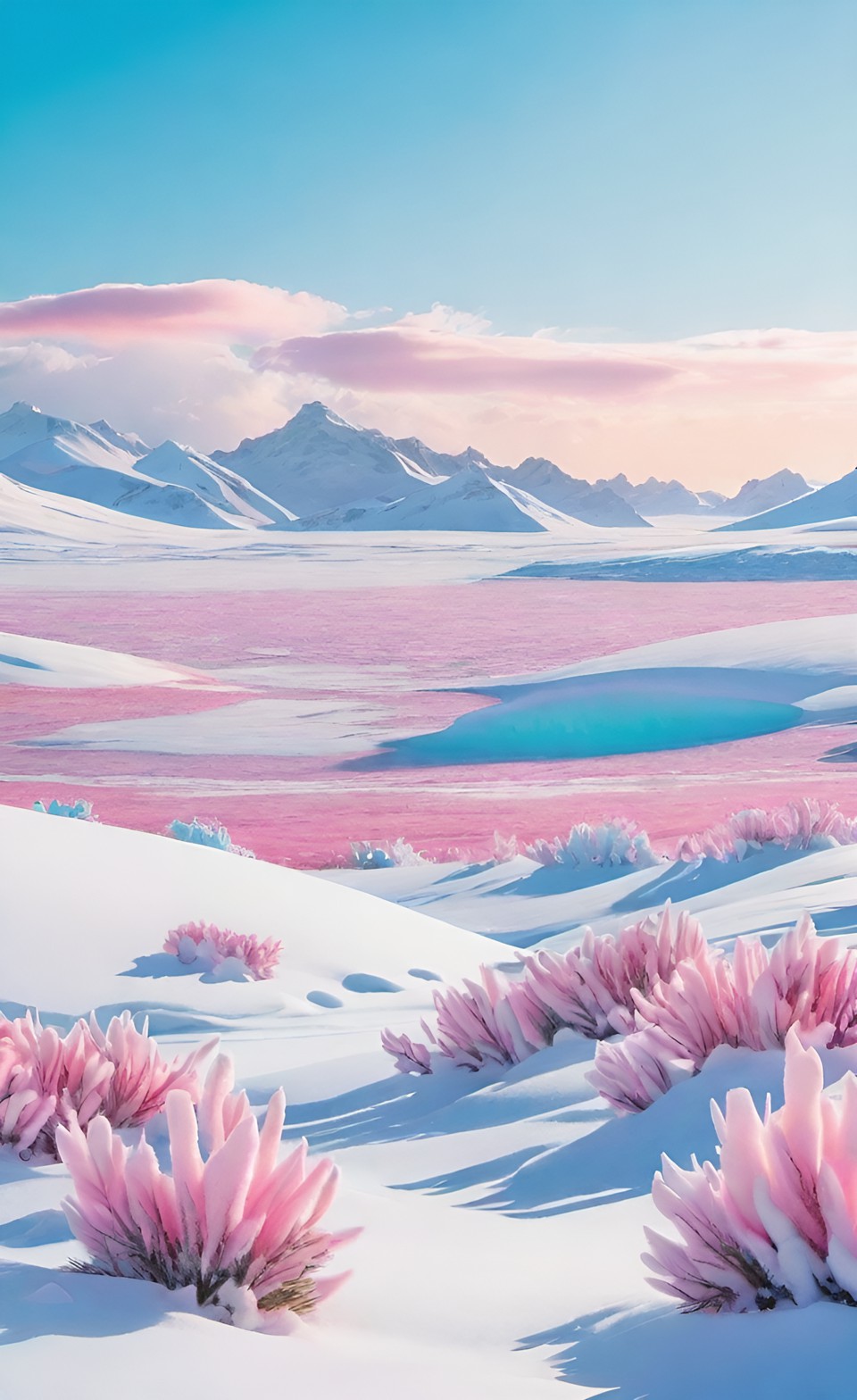
tundra
very rare
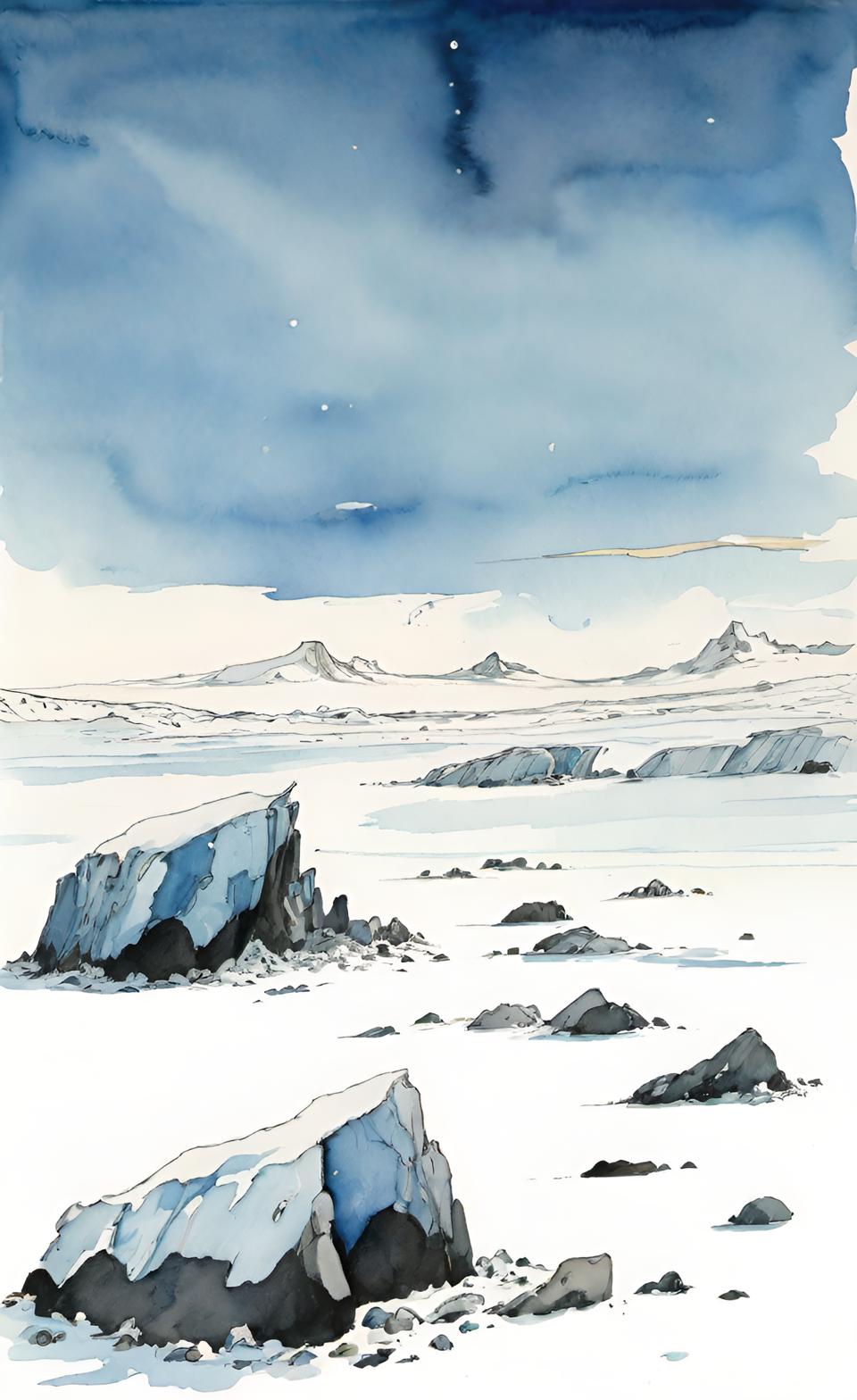
arctic, snow and ice fields
very rare
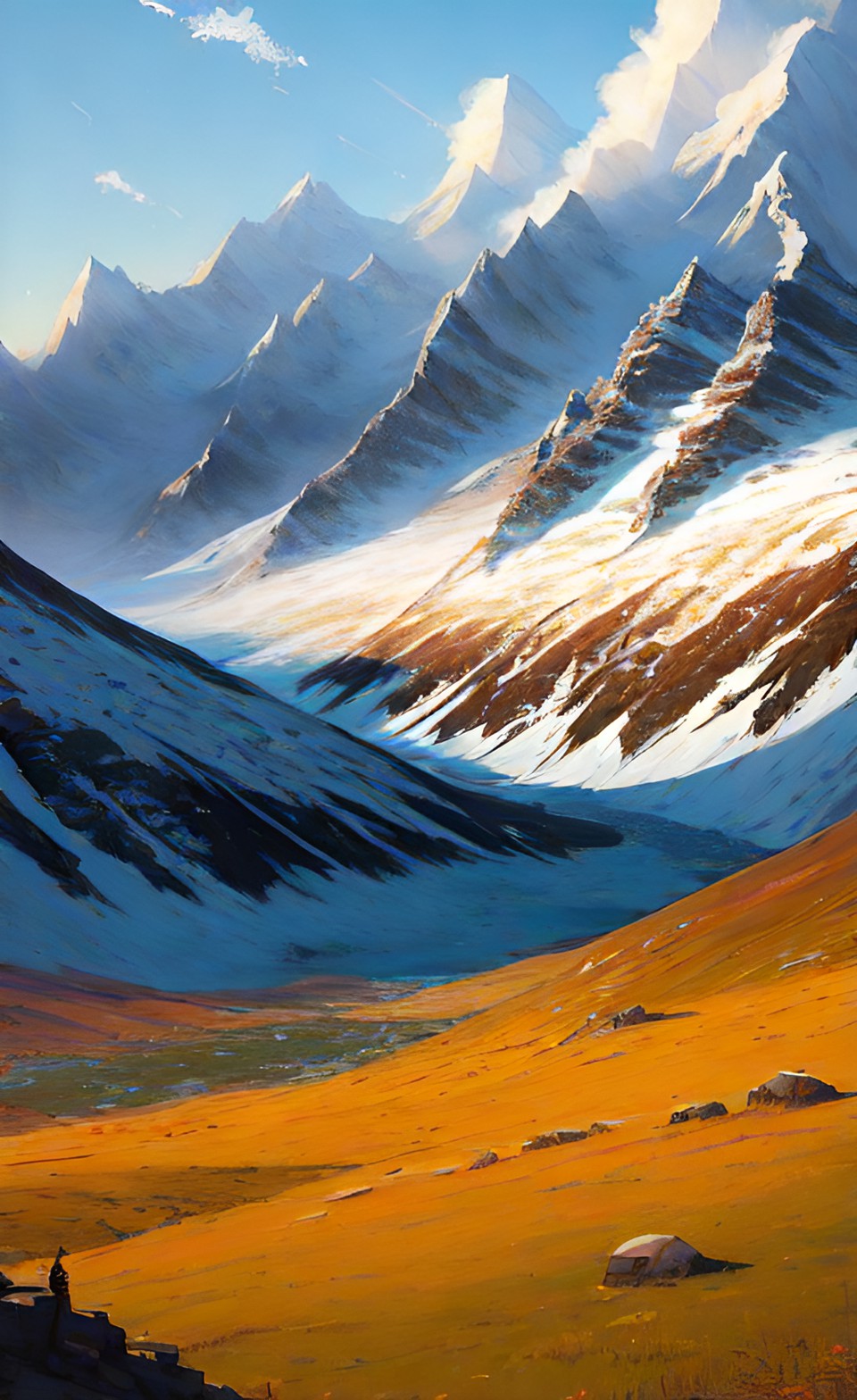
mountain, montane shrubland
very rare




This giant looks like a thick, muscular human. It has frost-white skin and long, light blue hair that it wears braided.
Gigantic reavers from the freezing lands beyond civilization, frost giants are fierce, hardy warriors that survive on the spoils of their raids and pillaging. They respect only brute strength and skill in battle, demonstrating both with their scars and the grisly trophies they take from their enemies.
Hearts of Ice
Frost giants are creatures of ice and snow. Their hair and beards are pale white or light blue, matted with frost and clattering with icicles. Their flesh is as blue as glacial ice.
Frost giants dwell in high peaks and glacial rifts where the sun hides its golden head by winter. Crops don't grow in their frozen homelands, and they keep little livestock beyond what they capture in their raids against civilized lands. They hunt the wild game of the tundra and mountains but don't cook it, since meat from a fresh kill tastes sufficiently hot to their palate.
Reavers of the Storm
The war horns of the frost giants howl as they march from their ice fortresses and glacial rifts amid the howling blizzard. When that storm clears, villages and steadings lay in ruins, ravens descending to feed on the corpses of any creatures foolish or unlucky enough to stand in the giants' path.
Inns and taverns suffer the brunt of the damage, their cellars gutted and their casks of ale and mead gone. Smithies are likewise toppled, their iron and steel claimed. Curiously undisturbed are the houses of moneylenders and wealthy citizens, for the reavers have little use for coins or baubles. Frost giants prize gems and jewelry large enough to be worn and noticed. However, even those treasures are most often saved for trading opportunities with other giants more adept at crafting metal weapons and armor.
Rulers by Might
Frost giants respect brute strength above all else, and a frost giant's place in the ordning depends on evidence of physical might, such as superior musculature, scars from battles of renown, or trophies fashioned from the bodies of slain enemies. Tasks such as hunting, childrearing, and crafting are given to giants based on their physical strength and hardiness.
When frost giants of different clans meet and their status is unclear, they wrestle for dominance. Such meetings might resemble festivals where giants cheer on their champions, making bold boasts and challenges. At other times, the informal ceremony can become a chaotic free-for-all where both clans rush into a melee that fells trees, shatters the ice on frozen lakes, and causes avalanches on the snowy mountainsides.
Make War, Not Goods
Though frost giants consider the menial crafting of goods beneath them, carving and leatherwork are valued skills. They make their clothing from the skins and bones of beasts, and carve bone or ivory into jewelry and the handles of weapons and tools. They reuse the weapons and armor of their smaller foes, stringing shields into scale armor and lashing sword blades to wooden hafts to make giant-sized spears. The greatest battle trophies come from conquered dragons, and the greatest frost giant jarls wear armor of dragon scales or wield picks and mauls made of a dragon's teeth or claws.
Frost Giant
Giant of the Ice and Snow
From glacial mountain heights and vast tundras rise the homes of frost giants. These giants have skin and hair of icy hues. Their natural immunity to cold allows them to flourish in places inhospitable to most other creatures. They use this resilience to aid them when hunting and in combat, bolstering their allies with chilling war cries.
Frost giants often travel far to find food and goods. This leads many to become raiders and earn violent reputations. Others live more peaceably by hunting titanic game or creating sanctuaries from the cold (frequently featuring hot springs or snowy contests). Frost giants sometimes forge partnerships with icy Fey or fire giants dwelling underground, serving as guardians to their realms in exchange for treasure, weapons, and crafts.
The small folk have barely anything worth looting, so they shouldn't much mind when we take it from them.
Pale-skinned giants with light blue or dirty yellow hair who dress in skins and pelts
Frost giants have pale, almost white skin. A frost giant's hair can be light blue or dirty yellow, and its eyes usually match its hair color. Frost giants dress in skins and pelts, along with any jewelry they own. Frost giant warriors add chain shirts and metal helmets decorated with horns or feathers. An adult male is about 15 feet tall and weighs about 2,800 pounds. Females are slightly shorter and lighter, but otherwise identical with males. Frost giants can live to be 250 years old. Frost giants are, first and foremost, cunning. They dislike the smaller races as much as any giant, but rather than attacking outright they will try to use their advantages to convince those weaker than them to submit. If faced with a stronger force, frost giants will parley or withdraw if possible, attacking only if victory seems assured.
Contents
Pale-skinned giants with light blue or dirty yellow hair who dress in skins and pelts
Frost giants get their name from their love of the cold. They often live within frosty caverns, but also have a propensity to take up residence in castles, as do some of their other giant kin. This love of the cold is reflected in the fact that frost giants are completely immune to ill effects from cold, including the bone-chilling breath of white dragons. Winter wolves often share residence with frost giants (50% chance, 1d6 in number). When encountering more than 4 frost giants, the first four are male and additional individuals up to 6 will be female. More than 6 will be immature and will only have a percentage of adult capabilities. Females are not as formidable as males, and are comparable to stone giants in terms of attack damage and hit point capacity. Frost giants have the overall appearance of giant, muscled barbarians. They have light yellow or blue eyes, with white hair that can likewise be tinged with yellow or blue.

Illustrated Bestiary
 (18)
(18)


 (20)
(20)
The Monsters & Creatures Compendium Any
The Monsters Know What They're Doing Dungeons And Dragons
Monstrosities Swords & Wizardry
Angry Golem D&D 5e
Pathfinder 1e Bestiary 1 Pathfinder
Pathfinder 2e Bestiary 1 Pathfinder
Monster Codex Pathfinder
Mythic Monster Manual v1 Pathfinder
Giants Revisited Pathfinder
Monster Manual Expanded v3 D&D 5e
Flee, Mortals D&D 5e
Volo's Guide To Monsters D&D 5e
Scruffy Grognard's Monstrous Manual D&D 2e
Role Aids: Giants AD&D 1e
13th Age Bestiary 13th Age
Hacklopedia Of Beasts Hackmaster v5
Hacklopedia Of Beasts Vol 3 Hackmaster
Godforsaken Cypher System
Lairs And Encounters Adventurer, Conqueror, King