












To Draw Creatures From:



Face the thing that should not be
 Actions/Abilities/Traits: Basic Fantasy
Actions/Abilities/Traits: Basic Fantasy
Actions/Abilities/Traits: Basic Fantasy
Large snake-like creature with tentacles that hunts from hiding in shadows
An adult Grick is a large snake-like creature weighing around 200 pounds and stretching about 8 feet long from the tip of its tentacles to the end of its tail. A grick's body coloration is uniformly dark with a pale underbelly, and the tentacles attach just behind its head; the tentacles are segmented like the body of an earthworm. A grick hunts by hiding near high-traffic areas, using its natural coloration to blend into the shadows; when doing this, the grick surprises on a 1-3 on 1d6. When prey ventures near, a grick lashes out with its tentacles. The jaws are small and weak compared to its body mass, so rather than consume its kill immediately, a grick normally drags victims back to the lair to be eaten at leisure. Multiple gricks do not fight in concert; rather, each attacks the prey closest to it, and breaks off the fight as soon as it can drag a dead or unconscious victim away.
Actions/Abilities/Traits: Basic Fantasy
Actions/Abilities/Traits: D&D 5e
Actions/Abilities/Traits: D&D 5e
This pallid, slimy, worm-like creature is the size of a human, its mouth a sickening tangle of tentacles and hooked jaws.
The wormlike grick waits unseen, blending in with the rock of the caves and caverns it haunts. Only when prey comes near does it rear up, its four barbed tentacles unfurling to reveal its hungry, snapping beak.
Passive Predators
Gricks rarely hunt. Instead, they drag their rubbery bodies to places where creatures regularly pass, lurking out of sight amid rocky rubble and debris, squeezing into burrows, holes, or crevices, climbing up to ledges, or coiling around stalactites to drop on unwary prey. A grick consumes virtually anything that moves except for other gricks. It targets the nearest prey, grabbing a fallen creature with its tentacles and dragging it off to eat alone.
Roving Ambushers
Gricks remain in an area until the food supply dwindles, often because sentient creatures become aware of their presence and plot alternate routes around their lairs. When prey is scarce in the Underdark, gricks venture aboveground to hunt in the wilderness, lurking in trees or on cliff-side ledges. A grick pack is often led by a single well-fed, oversized alpha around which the others congregate.
Spoils of Slaughter
Over time, grick lairs accumulate the cast-off possessions of intelligent prey, and expert guides know to look out for these tell-tale signs. Underdark explorers sometimes seal off the routes leading to and from a grick lair to starve them, then claim the wealth of the foul creatures' victims.
Gricks tend to be solitary hunters, but young gricks might lurk near dozens of their brood mates for years before gradually drifting apart.
Actions/Abilities/Traits: D&D 5e
Actions/Abilities/Traits: D&D 5e (Grick Alpha)
Actions/Abilities/Traits: D&D 5e (Grick Alpha)
Actions/Abilities/Traits: D&D 5e (Grick Alpha)
Actions/Abilities/Traits: D&D 5e (Grick Ancient)
Actions/Abilities/Traits: D&D 5e (Grick Ancient)
Gricks can live for centuries, with the eldest growing to monstrous sizes. Grick ancients actively hunt more than they wait in ambush, and they have no qualms about devouring smaller gricks.
Actions/Abilities/Traits: D&D 5e (Grick Ancient)
Actions/Abilities/Traits: Pathfinder 1e
Actions/Abilities/Traits: Pathfinder 1e
Actions/Abilities/Traits: Pathfinder 1e

subterranean, mild
uncommon
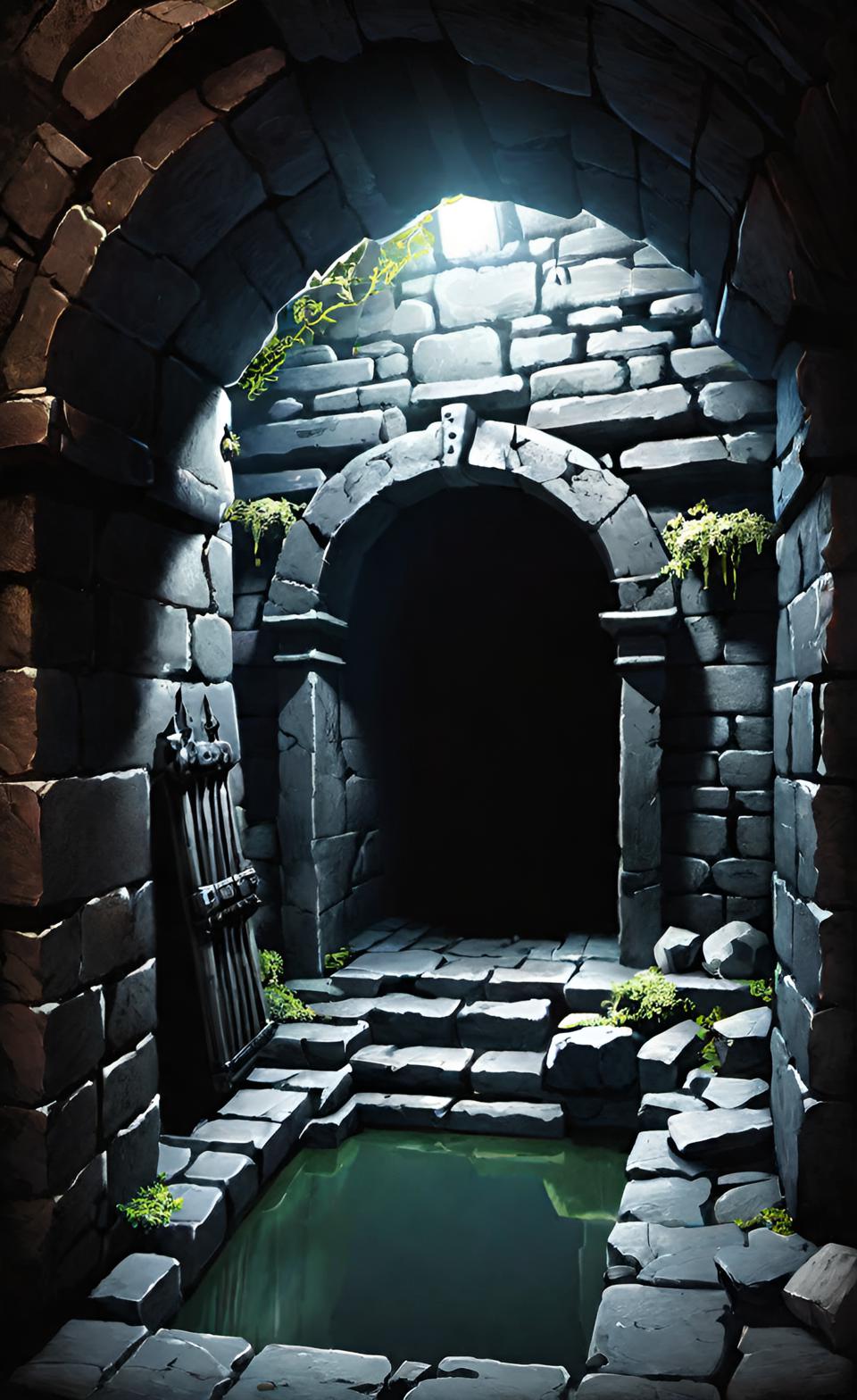
Gehenna 1
uncommon
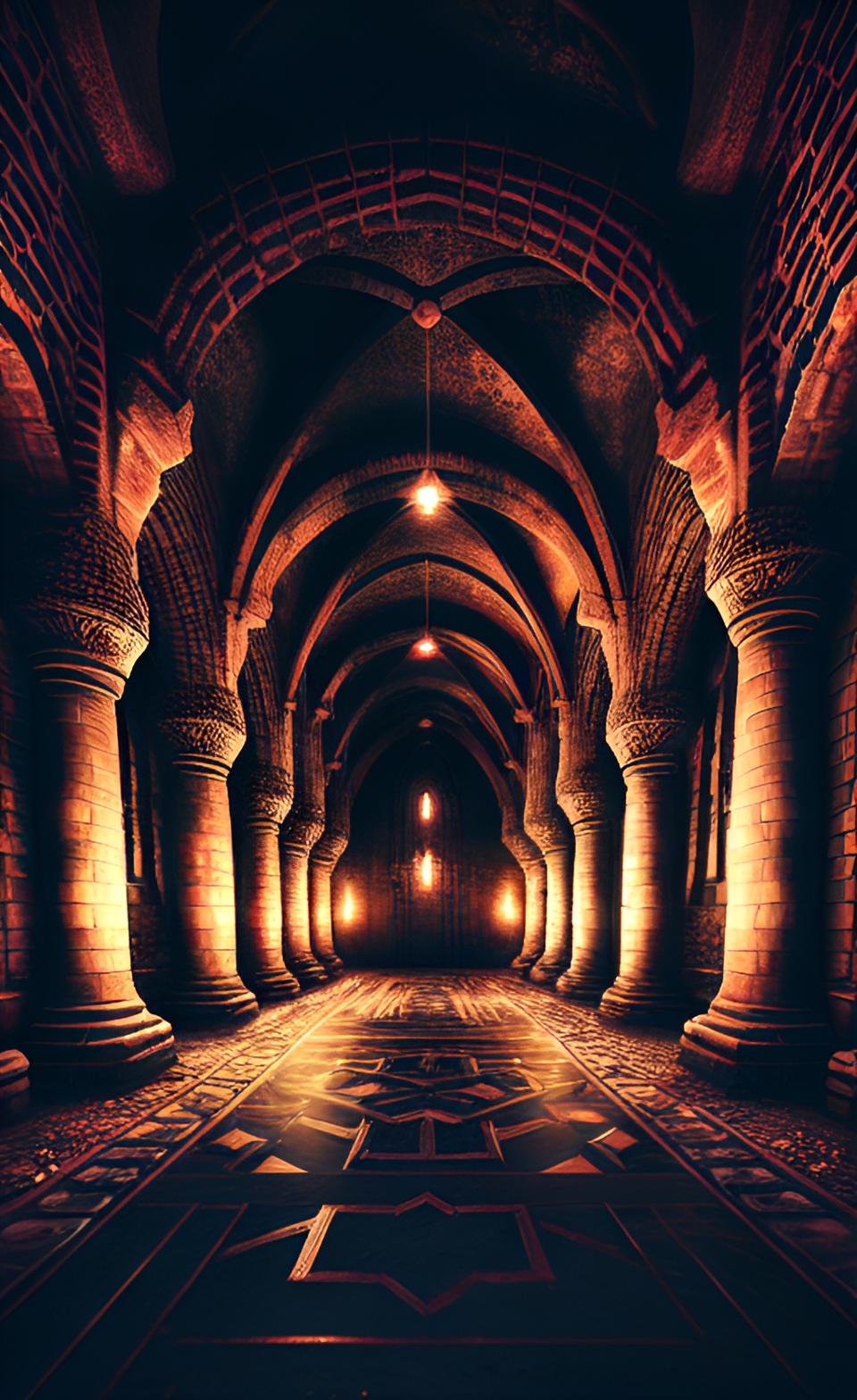
Gehenna 2
uncommon
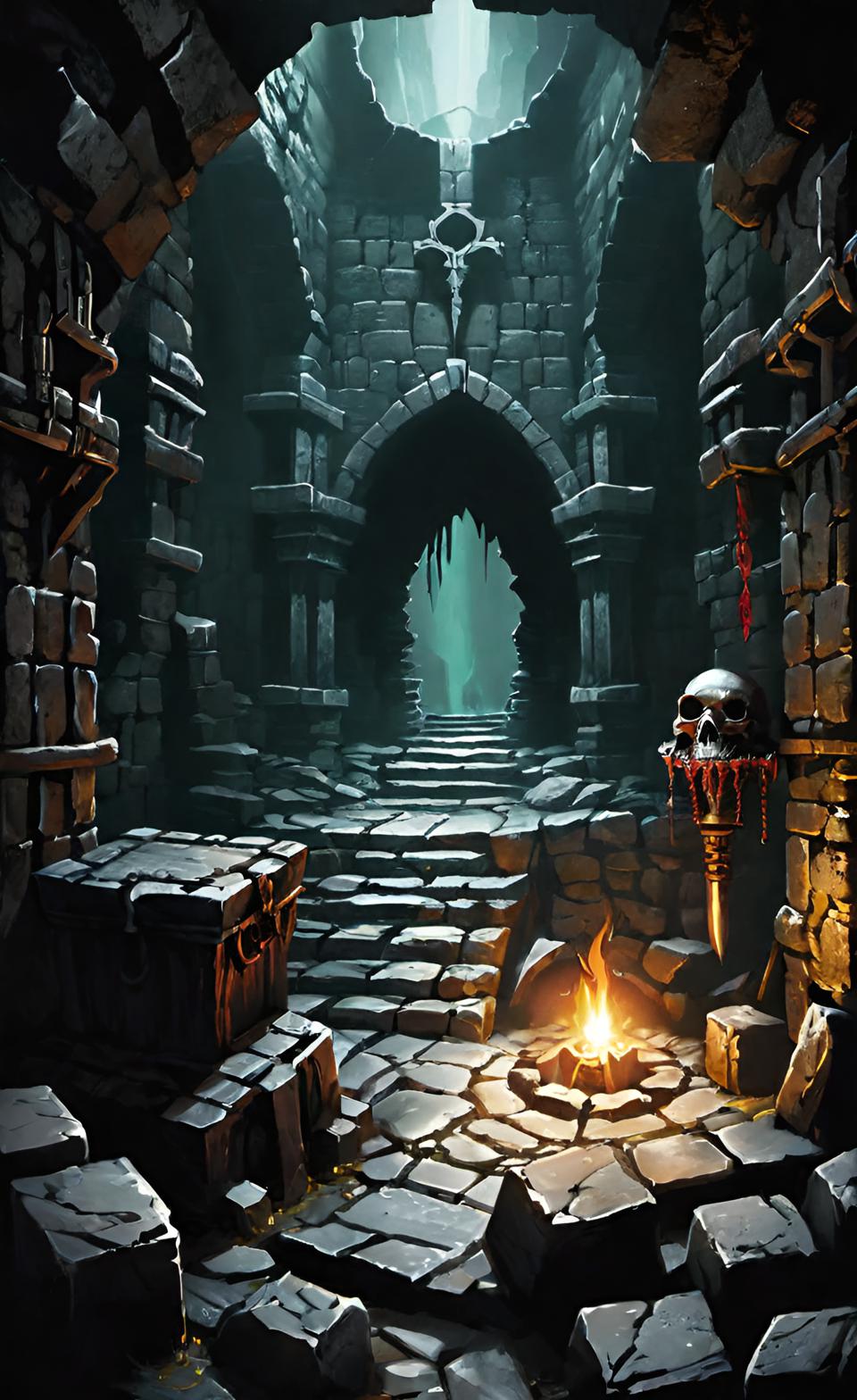
Gehenna 3
uncommon


This pallid, slimy, worm-like creature is the size of a human, its mouth a sickening tangle of tentacles and hooked jaws.
The wormlike grick waits unseen, blending in with the rock of the caves and caverns it haunts. Only when prey comes near does it rear up, its four barbed tentacles unfurling to reveal its hungry, snapping beak.
Passive Predators
Gricks rarely hunt. Instead, they drag their rubbery bodies to places where creatures regularly pass, lurking out of sight amid rocky rubble and debris, squeezing into burrows, holes, or crevices, climbing up to ledges, or coiling around stalactites to drop on unwary prey. A grick consumes virtually anything that moves except for other gricks. It targets the nearest prey, grabbing a fallen creature with its tentacles and dragging it off to eat alone.
Roving Ambushers
Gricks remain in an area until the food supply dwindles, often because sentient creatures become aware of their presence and plot alternate routes around their lairs. When prey is scarce in the Underdark, gricks venture aboveground to hunt in the wilderness, lurking in trees or on cliff-side ledges. A grick pack is often led by a single well-fed, oversized alpha around which the others congregate.
Spoils of Slaughter
Over time, grick lairs accumulate the cast-off possessions of intelligent prey, and expert guides know to look out for these tell-tale signs. Underdark explorers sometimes seal off the routes leading to and from a grick lair to starve them, then claim the wealth of the foul creatures' victims.
Gricks tend to be solitary hunters, but young gricks might lurk near dozens of their brood mates for years before gradually drifting apart.
Large snake-like creature with tentacles that hunts from hiding in shadows
An adult Grick is a large snake-like creature weighing around 200 pounds and stretching about 8 feet long from the tip of its tentacles to the end of its tail. A grick's body coloration is uniformly dark with a pale underbelly, and the tentacles attach just behind its head; the tentacles are segmented like the body of an earthworm. A grick hunts by hiding near high-traffic areas, using its natural coloration to blend into the shadows; when doing this, the grick surprises on a 1-3 on 1d6. When prey ventures near, a grick lashes out with its tentacles. The jaws are small and weak compared to its body mass, so rather than consume its kill immediately, a grick normally drags victims back to the lair to be eaten at leisure. Multiple gricks do not fight in concert; rather, each attacks the prey closest to it, and breaks off the fight as soon as it can drag a dead or unconscious victim away.

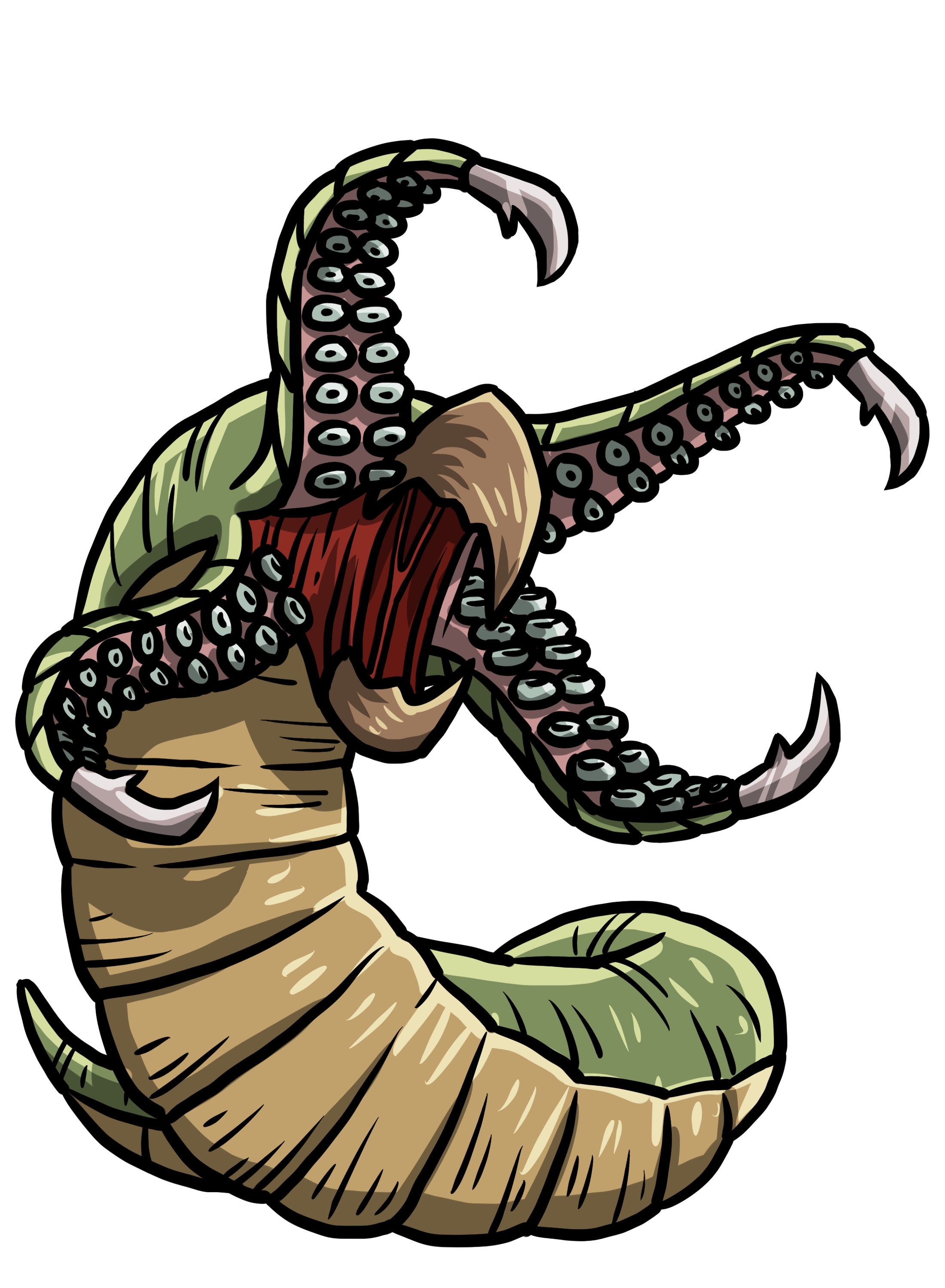
Miko Arc
 (13)
(13)


 (11)
(11)
The Monsters Know What They're Doing Dungeons And Dragons
Monstrosities Swords & Wizardry
Angry Golem D&D 5e
Pathfinder 1e Bestiary 2 Pathfinder
The Daily Bestiary Pathfinder
Mythic Monster Manual v2 Pathfinder
All Sorts Of Critters Pathfinder
Forgotten Foes Pathfinder
Monster Monday D&D 5e
Fortuan's Ecologies D&D 5e
Monster Ecology Anthology D&D 5e