












To Draw Creatures From:



And they are but men
They pounce least expected
 Actions/Abilities/Traits: Basic Fantasy
Actions/Abilities/Traits: Basic Fantasy
Actions/Abilities/Traits: Basic Fantasy
A cone-shaped shelled creature resembling a snail that hunts by dropping from cave ceilings
A Piercer (sometimes called a Stalag) is a cone-shaped shelled creature resembling some kind of snail or other invertebrate. They are found in a range of sizes, with a group typically having members of several different sizes; each individual piercer is about 1.5 feet long per hit die. They can move about as snails do, at a rate of about 10' per round, and can climb hard surfaces at full speed, even moving unhindered while upside down. However, they move substantially faster when attacking. Piercers hunt prey by hanging upside down in natural caverns, where their conical shells strongly resemble normal stalactites. They lie in wait until a victim walks beneath them, at which point they attack by simply dropping on their prey, stabbing with their pointed shells. If this attack fails, the piercer has no further effective attack and will try to flee; of course if given enough time a piercer will return to its place on the ceiling, and if any victims are available it may be able to attack again.
Actions/Abilities/Traits: Basic Fantasy
Actions/Abilities/Traits: D&D 5e
Actions/Abilities/Traits: D&D 5e
Clinging to the ceilings of caverns and large subterranean passages, piercers blend in perfectly with natural rock, dropping in silence to impale unsuspecting foes on the ground below.
A piercer is the larval form of a roper, and the two creatures often attack in tandem. A rock-like shell encases a piercer's body, giving it the look and texture of a stalactite. That shell protects a soft, slug-like upper body that lets the piercer move across cavern walls and ceilings to position itself for prey. With its eye and mouth closed, the piercer is difficult to distinguish from ordinary rock formations.
Patient Hunters
Piercers can see, but they can also respond to noise and heat, waiting for living creatures to pass beneath them, then falling to attack. A piercer that misses its chance to kill must make its slow way back to the ceiling. A fallen piercer excretes a foul-smelling slime when attacked, making most predators think twice about eating it.
Piercers gather in colonies to maximize the effectiveness of their attacks, dropping simultaneously to increase the odds of striking prey. After a piercer successfully slays a creature, the others slowly creep toward the corpse to join in the feast.
Piercer
Aberrant Counterfeit Stalactite
Piercers resemble stalactites, but each has a toothy maw and a single eye. They hang from cavern ceilings along routes frequented by denizens of the Underdark. Piercers might lurk for months at a time, waiting for any creature of their approximate size to pass underneath. When potential meals move below, piercers release their grip and plummet, intent on impaling prey in a single strike. If they're successful, piercers consume their meals and then slowly climb to a new ambush position. If they miss or fail to slay their targets, piercers attempt to squirm away, but they're easily dispatched by creatures aware of their presence.
Piercers are the larval form of ropers. Young piercers seek to move as far from ropers as they can to avoid ropers' undiscerning hunger. Many piercers migrate vast distances through the Underdark, often to caverns or buried ruins near the surface.
Rule 8: Never trust a stalactite
Actions/Abilities/Traits: D&D 5e
Actions/Abilities/Traits: OSRIC
Actions/Abilities/Traits: OSRIC
A cone-shaped shelled creature resembling a snail that hunts by dropping from cave ceilings
A piercer looks exactly like a stalactite. It is a living creature encased in a stone covering. Piercers are sensitive to noise and heat and when they detect a source of either passing beneath them they drop, seeking to kill and devour their target. A piercer has a single attack, seeking to impale the unlucky victim with its sharp point. After killing and feasting the piercer will move via tiny cilia in its base back up to the ceiling. Any grouping of piercers will include a mix of the various HD, roll 1d4 with 1 = 1 HD, 2 = 2 HD, 3 = 3 HD, and 4 = 4 HD. A piercer will do 1d6 of damage for each of its HD. The 1 HD piercer is 3-ft long and weighs about 200 lbs. With each additional HD the piercer adds another foot of length and another 100 lbs of weight. Piercers devour even the bones of their victims and any intelligent cave or dungeon dwelling denizens living nearby will often (carefully) scavenge any armour, weapons, money, magic, or anything else remaining of even the least value.
Actions/Abilities/Traits: OSRIC


desert, cave
uncommon

grasslands, cave
uncommon
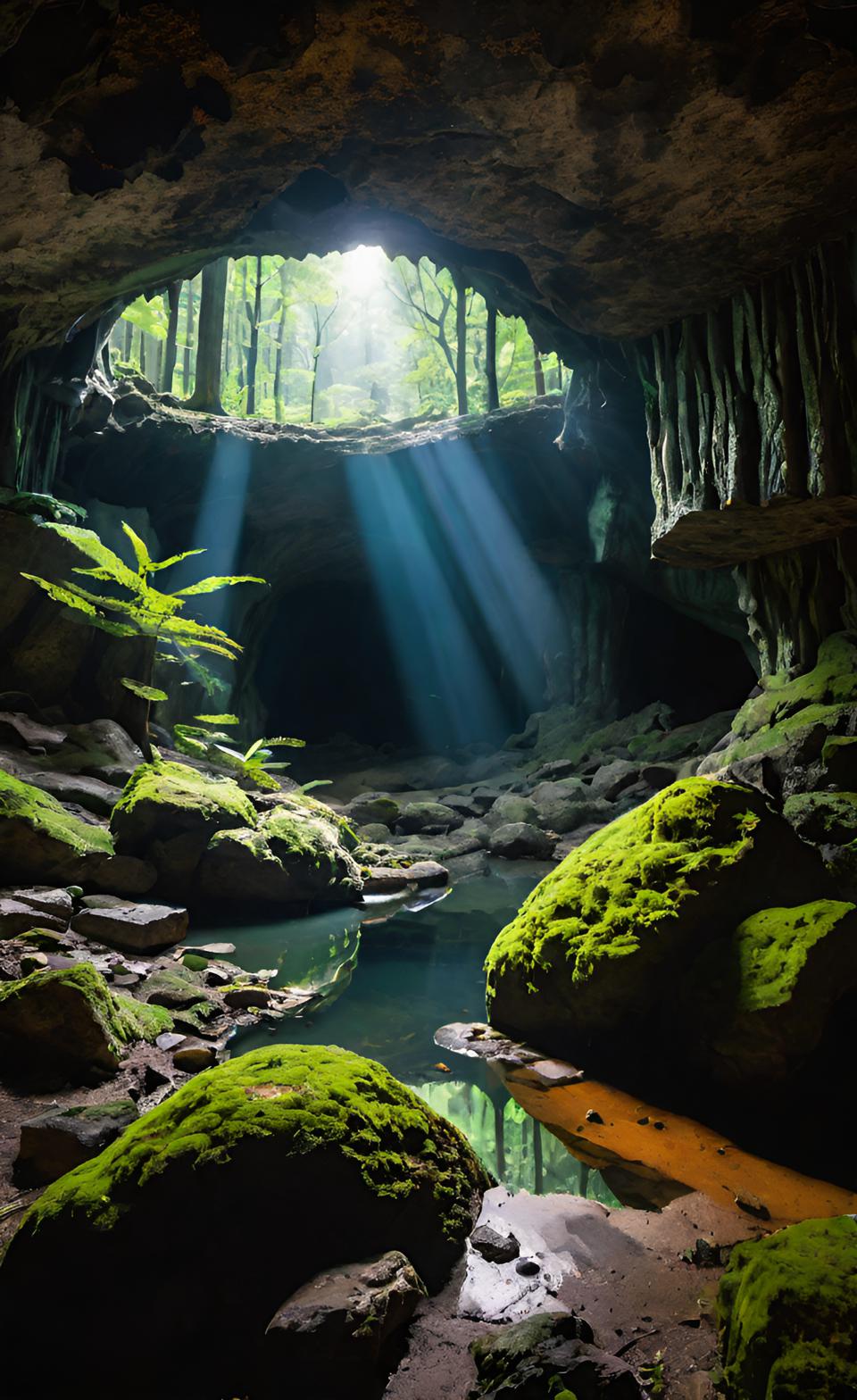
forest, cave
uncommon

jungle, cave
uncommon
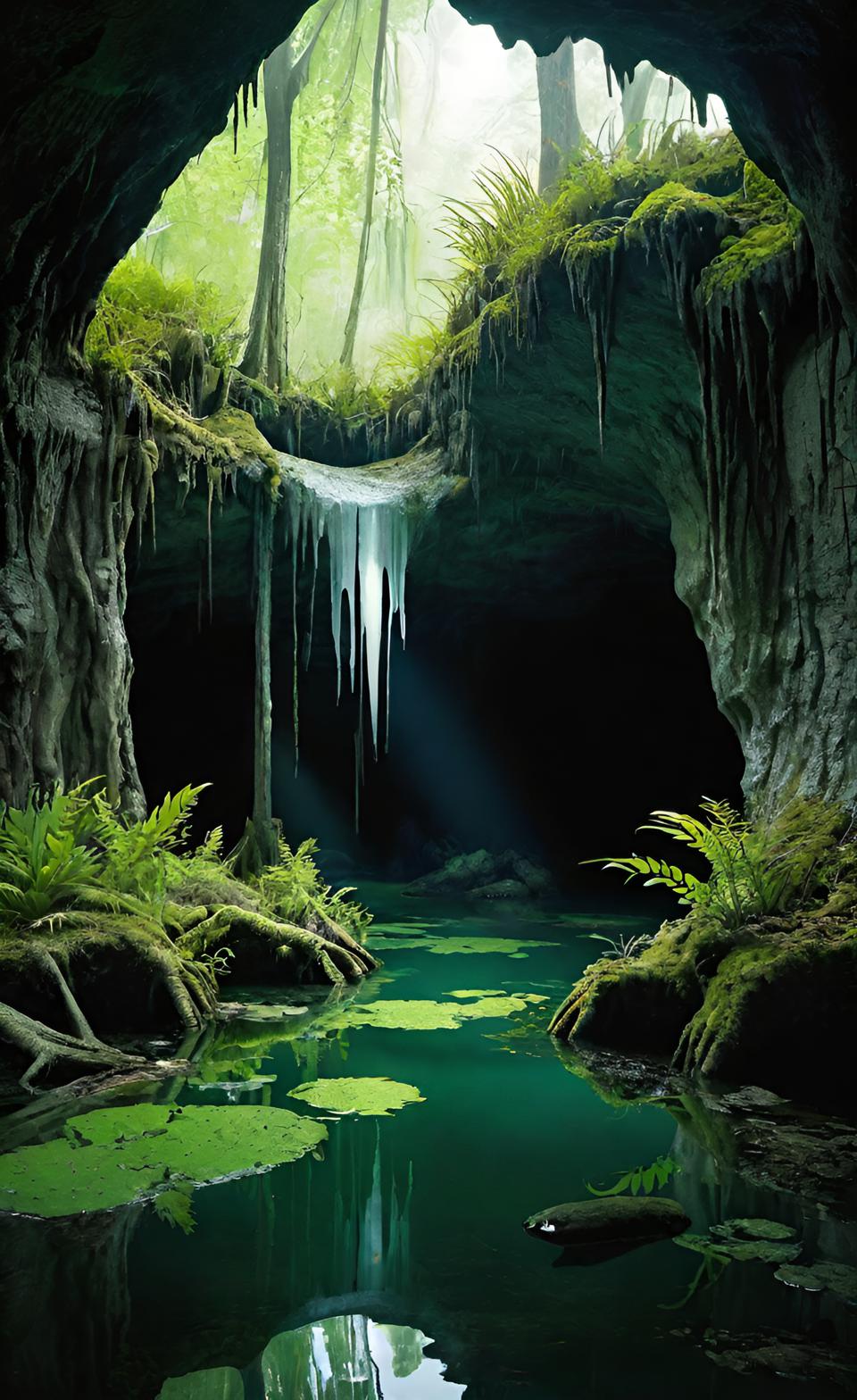
wetlands, cave
uncommon
taiga, cave
uncommon

arctic, cave
uncommon

mountain, cave
uncommon
subterranean, mild
uncommon

subterranean, frigid
uncommon


Clinging to the ceilings of caverns and large subterranean passages, piercers blend in perfectly with natural rock, dropping in silence to impale unsuspecting foes on the ground below.
A piercer is the larval form of a roper, and the two creatures often attack in tandem. A rock-like shell encases a piercer's body, giving it the look and texture of a stalactite. That shell protects a soft, slug-like upper body that lets the piercer move across cavern walls and ceilings to position itself for prey. With its eye and mouth closed, the piercer is difficult to distinguish from ordinary rock formations.
Patient Hunters
Piercers can see, but they can also respond to noise and heat, waiting for living creatures to pass beneath them, then falling to attack. A piercer that misses its chance to kill must make its slow way back to the ceiling. A fallen piercer excretes a foul-smelling slime when attacked, making most predators think twice about eating it.
Piercers gather in colonies to maximize the effectiveness of their attacks, dropping simultaneously to increase the odds of striking prey. After a piercer successfully slays a creature, the others slowly creep toward the corpse to join in the feast.
Piercer
Aberrant Counterfeit Stalactite
Piercers resemble stalactites, but each has a toothy maw and a single eye. They hang from cavern ceilings along routes frequented by denizens of the Underdark. Piercers might lurk for months at a time, waiting for any creature of their approximate size to pass underneath. When potential meals move below, piercers release their grip and plummet, intent on impaling prey in a single strike. If they're successful, piercers consume their meals and then slowly climb to a new ambush position. If they miss or fail to slay their targets, piercers attempt to squirm away, but they're easily dispatched by creatures aware of their presence.
Piercers are the larval form of ropers. Young piercers seek to move as far from ropers as they can to avoid ropers' undiscerning hunger. Many piercers migrate vast distances through the Underdark, often to caverns or buried ruins near the surface.
Rule 8: Never trust a stalactite
A cone-shaped shelled creature resembling a snail that hunts by dropping from cave ceilings
A Piercer (sometimes called a Stalag) is a cone-shaped shelled creature resembling some kind of snail or other invertebrate. They are found in a range of sizes, with a group typically having members of several different sizes; each individual piercer is about 1.5 feet long per hit die. They can move about as snails do, at a rate of about 10' per round, and can climb hard surfaces at full speed, even moving unhindered while upside down. However, they move substantially faster when attacking. Piercers hunt prey by hanging upside down in natural caverns, where their conical shells strongly resemble normal stalactites. They lie in wait until a victim walks beneath them, at which point they attack by simply dropping on their prey, stabbing with their pointed shells. If this attack fails, the piercer has no further effective attack and will try to flee; of course if given enough time a piercer will return to its place on the ceiling, and if any victims are available it may be able to attack again.
A cone-shaped shelled creature resembling a snail that hunts by dropping from cave ceilings
A piercer looks exactly like a stalactite. It is a living creature encased in a stone covering. Piercers are sensitive to noise and heat and when they detect a source of either passing beneath them they drop, seeking to kill and devour their target. A piercer has a single attack, seeking to impale the unlucky victim with its sharp point. After killing and feasting the piercer will move via tiny cilia in its base back up to the ceiling. Any grouping of piercers will include a mix of the various HD, roll 1d4 with 1 = 1 HD, 2 = 2 HD, 3 = 3 HD, and 4 = 4 HD. A piercer will do 1d6 of damage for each of its HD. The 1 HD piercer is 3-ft long and weighs about 200 lbs. With each additional HD the piercer adds another foot of length and another 100 lbs of weight. Piercers devour even the bones of their victims and any intelligent cave or dungeon dwelling denizens living nearby will often (carefully) scavenge any armour, weapons, money, magic, or anything else remaining of even the least value.
 (5)
(5)


 (4)
(4)
The Monsters Know What They're Doing Dungeons And Dragons
Monster Ecology Anthology D&D 5e
Scruffy Grognard's Monstrous Manual D&D 2e
AD&D Monster Manual AD&D 1e