











To Draw Creatures From:



Killmoulis
Vulkoori
Xerichou
Citadel Spider
Earthshaker Behemoth
Bone Golem
Crypt Dweller
Xenopterid
Spirit Dragon
By the ox and the fox and the grizzly bear
The grumpy alligator and the hawk above
The sly old weasel and the turtle dove
- If caring for young, will defend to the death
- Generally averse to fire
 Actions/Abilities/Traits: Basic Fantasy
Actions/Abilities/Traits: Basic Fantasy
Actions/Abilities/Traits: Basic Fantasy
Bipedal carnivorous dinosaur with massive skull and powerful bite
The tyrannosaurus rex is a bipedal carnivorous dinosaur with a massive skull balanced by a long, heavy tail. Relative to its large and powerful hind limbs, its forelimbs are short but unusually powerful for their size, with two clawed digits. Despite this, they are not used to attack, as the tyrannosaur's powerful bite is its preferred weapon. Individuals can grow to lengths of over 40 feet and can weigh up to 20,000 pounds, though most are a bit smaller than this, averaging around 35 feet in length and 17,000 pounds in weight. The statistics above can also be used to represent other large bipedal carnosaurs, such as the allosaurus.
Actions/Abilities/Traits: Basic Fantasy
Actions/Abilities/Traits: D&D 5e
Actions/Abilities/Traits: D&D 5e
This enormous predator terrorizes all other creatures in its territory. Despite its size and weight, a tyrannosaurus is a swift runner. It chases anything it thinks it can eat, and there are few creatures it won't try to devour whole. While prowling for substantial prey, a tyrannosaurus subsists on carrion, and on any smaller creatures that try to dart in to steal its meal.
Dinosaurs
Dinosaurs, or behemoths, are among the oldest reptiles in the world. Predatory dinosaurs are savage, territorial hunters. Herbivorous dinosaurs are less aggressive, but they might attack to defend their young, or if startled or harassed.
Dinosaurs come in many sizes and shapes. Larger varieties often have drab coloration, while smaller dinosaurs have colorful markings akin to birds. Dinosaurs roam rugged and isolated areas that humanoids seldom visit, including remote mountain valleys, inaccessible plateaus, tropical islands, and deep fens.
Actions/Abilities/Traits: D&D 5e
Actions/Abilities/Traits: OSRIC
Actions/Abilities/Traits: OSRIC
Cretaceous carnivore, long thought to be the largest land carnivore of the dinosaur age
Cretaceous carnivore, long thought to be the largest land carnivore of the dinosaur age. Large bipedal carnivore. The "Number Encountered" listing allows for two interpretations—they could be solitary predators or pack hunters.
Actions/Abilities/Traits: OSRIC

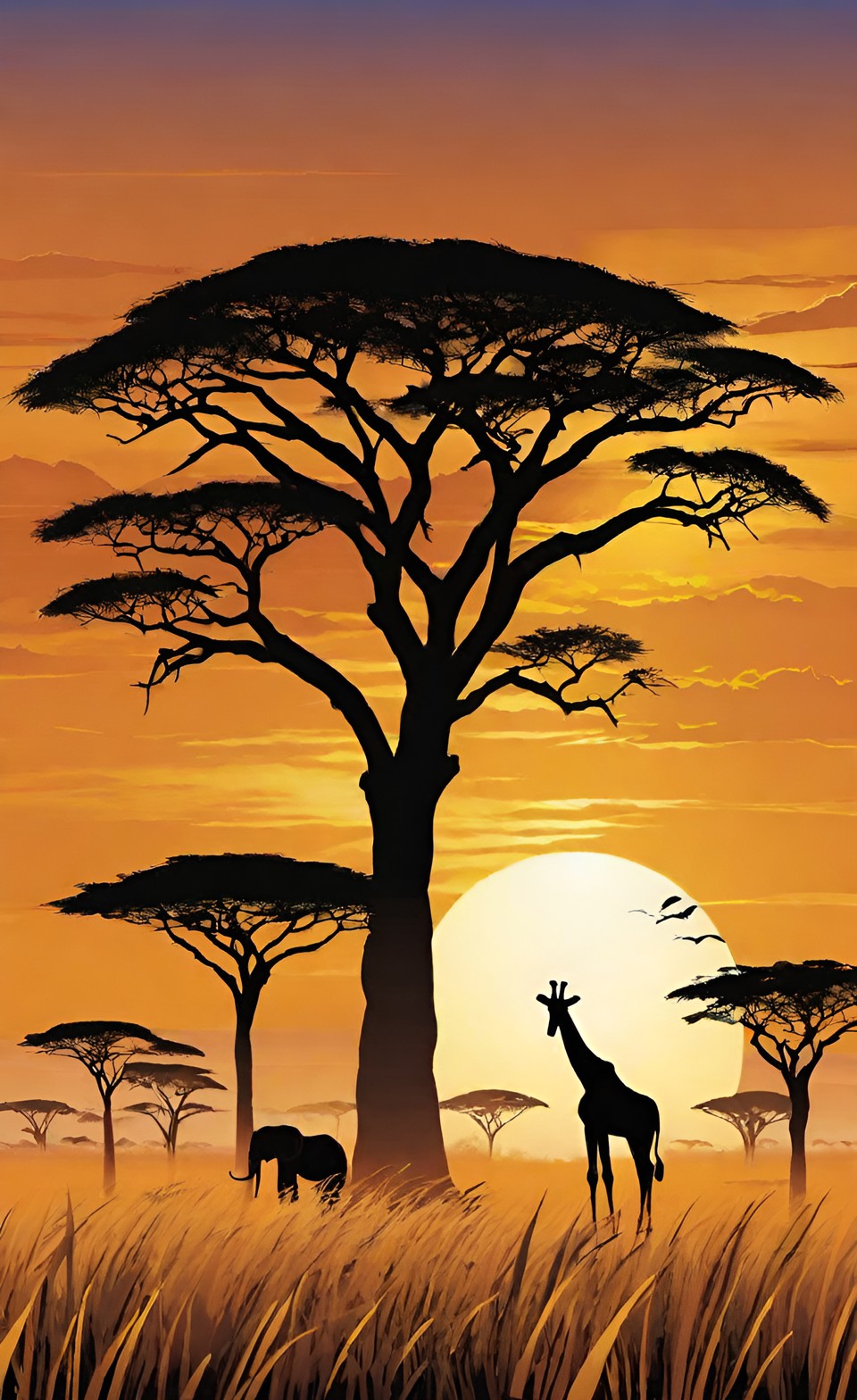
grasslands, savanna
uncommon
grasslands, prairie
uncommon

grasslands, steppe
uncommon
This enormous predator terrorizes all other creatures in its territory. Despite its size and weight, a tyrannosaurus is a swift runner. It chases anything it thinks it can eat, and there are few creatures it won't try to devour whole. While prowling for substantial prey, a tyrannosaurus subsists on carrion, and on any smaller creatures that try to dart in to steal its meal.
Dinosaurs
Dinosaurs, or behemoths, are among the oldest reptiles in the world. Predatory dinosaurs are savage, territorial hunters. Herbivorous dinosaurs are less aggressive, but they might attack to defend their young, or if startled or harassed.
Dinosaurs come in many sizes and shapes. Larger varieties often have drab coloration, while smaller dinosaurs have colorful markings akin to birds. Dinosaurs roam rugged and isolated areas that humanoids seldom visit, including remote mountain valleys, inaccessible plateaus, tropical islands, and deep fens.
Bipedal carnivorous dinosaur with massive skull and powerful bite
The tyrannosaurus rex is a bipedal carnivorous dinosaur with a massive skull balanced by a long, heavy tail. Relative to its large and powerful hind limbs, its forelimbs are short but unusually powerful for their size, with two clawed digits. Despite this, they are not used to attack, as the tyrannosaur's powerful bite is its preferred weapon. Individuals can grow to lengths of over 40 feet and can weigh up to 20,000 pounds, though most are a bit smaller than this, averaging around 35 feet in length and 17,000 pounds in weight. The statistics above can also be used to represent other large bipedal carnosaurs, such as the allosaurus.
Cretaceous carnivore, long thought to be the largest land carnivore of the dinosaur age
Cretaceous carnivore, long thought to be the largest land carnivore of the dinosaur age. Large bipedal carnivore. The "Number Encountered" listing allows for two interpretations—they could be solitary predators or pack hunters.
 (2)
(2)

 (0)
(0)